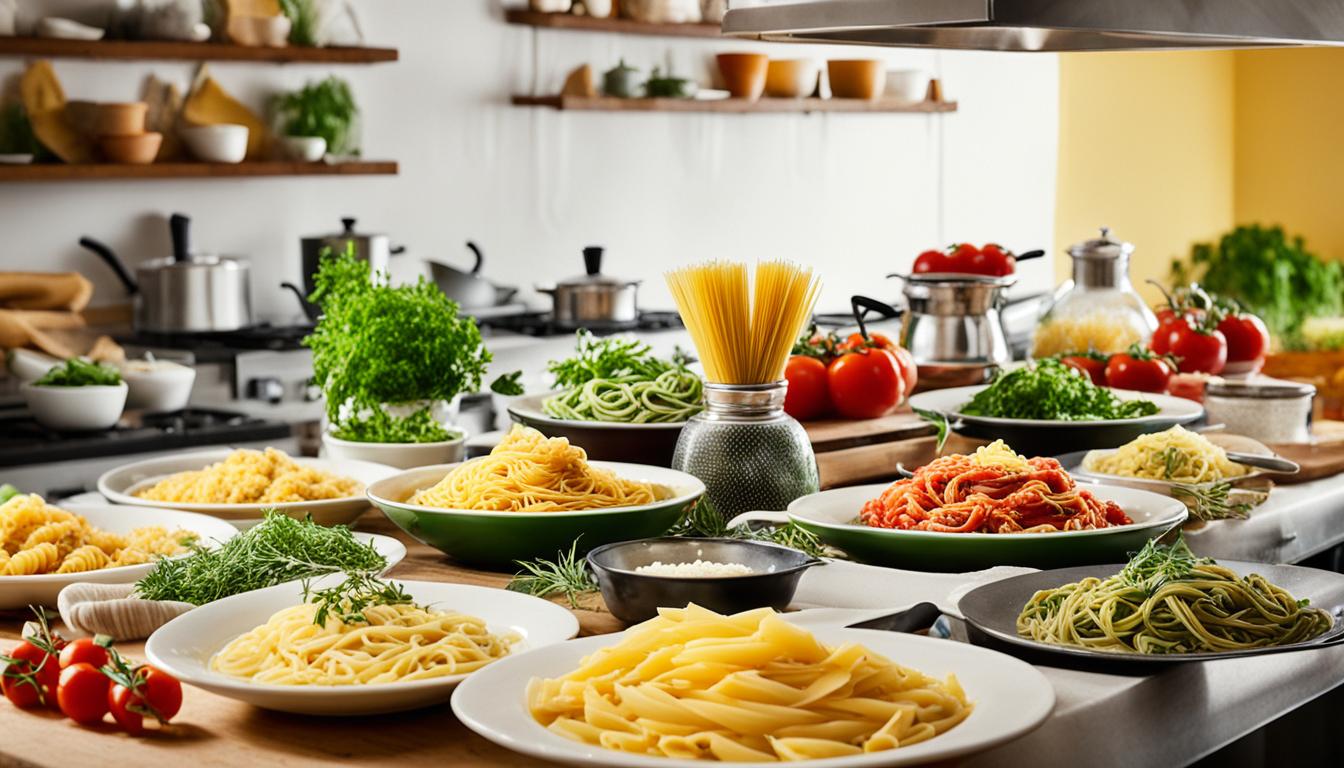
Italy’s food scene is filled with rich traditions that have shaped its culture. From the high Alps to the sunny coasts, Italian food celebrates regional diversity. It’s a journey through the heart of Italian food, showing the stories and traditions that make it so loved worldwide.
Italian cooking values simplicity and lets ingredients shine. Whether it’s simple pasta or a big feast, quality ingredients are key. The north has rich cheeses, while the south has tomatoes that are perfect for cooking.
Food in Italy means more than just eating. Meals bring families together and celebrate the harvest. They keep traditions alive through generations. Italian dining is about enjoying each bite and talking with loved ones, showing the value of living well.
Introduction to Italian Culinary Heritage
The Italian culinary heritage is a mix of history, geography, and culture. It has shaped the country’s food traditions over centuries. Italy’s location in the Mediterranean gives it a wide variety of ingredients. These ingredients are turned into the famous dishes that define Italian cuisine.
The history of Italian cuisine starts with the Roman Empire. It brought many ingredients and cooking methods that are still used today. Over time, other cultures like the Greeks, Arabs, Normans, and Austrians added their own flavors and ways of cooking. This created the regional diversity we see in Italian food today.
Italian cuisine varies greatly from the sunny coasts to the green hills. Each region has its own specialties. These show the strong bond between the land, the people, and their food. The next sections will take you on a journey through the rich and varied world of Italian food.
Regional Diversity: From North to South
Italy’s food scene is a mix of many flavors, each telling a story of culture, geography, and history. From the north’s creamy dishes to the south’s bright flavors, it’s a culinary journey. This journey shows off Italy’s food heritage.
Traditional Dishes of Northern Italy
In the north, like Piedmont, Lombardy, and Emilia-Romagna, you’ll find rich, dairy-based dishes. These dishes highlight the area’s produce and livestock. Think of risotto alla Milanese with its saffron rice and the rich Bolognese ragu sauce.
These dishes use butter, cream, and cheese. This makes them comforting and indulgent.
Exploring the Flavors of Southern Italy
On the other hand, the south, including Campania, Puglia, and Sicily, offers a sunny cuisine. It celebrates fresh seafood, olive oil, and herbs. Take the famous Neapolitan pizza, with its thin crust and simple toppings.
Other dishes like spaghetti alle vongole with fresh clams and the caprese salad show off southern Italy’s flavors. These dishes are full of the region’s taste.
Culture of Simplicity and Quality Ingredients
Italian cooking is all about valuing simple, high-quality ingredients. This approach comes from the country’s rich farming history. It also shows the importance of using ingredients from the local area and in season. Chefs and home cooks believe that using the best, seasonal ingredients lets their true flavors shine.
This cooking style focuses on letting the natural tastes of ingredients stand out. It’s not about hiding flavors with lots of sauces or spices. Traditional Italian dishes show how each ingredient adds its own special taste and texture.

For Italians, choosing quality ingredients is a matter of pride and tradition. They look for the freshest, tastiest produce, meats, and seafood. They support local farmers and small producers. This shows their respect for the land and what it provides.
The idea in the Italian kitchen is simple: let the ingredients do the talking. This way of cooking has been passed down for many years. It motivates chefs and cooks everywhere to try out Italian cooking’s focus on simplicity and quality.
Influence of History and Invasions
Italy’s food history is rich, shaped by many cultures over the years. From ancient Rome to invaders and traders, many have left their mark. These influences have mixed to create the unique tastes and cooking styles we see today.
Roman Roots and Mediterranean Infusions
The roots of Italian food go back to ancient Rome. The Romans started many of the ingredients and cooking ways we see now. They grew crops like wheat, olives, grapes, and spices. They also traded with other lands, bringing in exotic foods.
As Rome grew, it met other cultures like the Greeks, Phoenicians, and Etruscans. These groups added their own cooking styles. New cooking methods, like using olive oil and herbs, changed Italian food. This led to the tasty dishes we enjoy today.
Foreign invaders and traders added more to Italian food over time. The Barbarians, Byzantines, Arabs, and Normans all brought new foods and ways of cooking. These were blended into Italian food, making it richer.
Today, Italian cuisine shows how it has changed and stayed the same. It has taken in new tastes and cooking ways while keeping its traditions and local flavors.
The Art of Italian Pasta-Making
Italian pasta is a key part of the world’s food scene. It shows off Italy’s deep food culture. From the north to the south, making pasta has been a tradition for centuries. It’s a way to share the true taste of Italy.
The secret to great pasta is using top-quality ingredients and old-school methods. Making traditional Italian pasta is a careful process. Skilled people make each type by hand, passing down their skills through families.
This care means every piece of pasta is a tribute to Italy’s cooking skills. It’s not just food; it’s a piece of history.
Every region in Italy has its own way of making pasta. In Emilia-Romagna, they use eggs in their pasta. In Campania, they make rougher shapes. These differences show the wide range of tastes and ingredients across Italy.
Italian pasta is all about keeping things simple but using the best ingredients. It’s not about fancy sauces or complicated recipes. It’s about letting the pasta speak for itself. This focus on quality and simplicity has made Italian pasta loved worldwide.
Celebrating Seasonality and Local Produce
At the heart of Italian cooking is a deep respect for the seasons and local, high-quality ingredients. This respect has shaped the country’s varied regional foods. It has also led to a lively Italian seasonal cuisine and a strong farm-to-table movement.
Farm-to-Table: Italy’s Sustainable Food Culture
Across Italy, the rich local produce and a focus on sustainable food have made farm-to-table culture thrive. From the sunny orchards in the South to the green vineyards in the North, farmers and producers work hard. They grow the best seasonal ingredients, which chefs and home cooks love.
This culture believes that a dish’s quality and taste come from the freshness and where it comes from. Italian chefs work closely with local growers and producers. This ensures their ingredients are real and traceable, making each bite a celebration of local flavors.

The farm-to-table movement in Italy has brought back appreciation for the country’s agricultural heritage. Heirloom fruits, vegetables, and grains that were almost lost are now being saved. This lets Italians enjoy the unique tastes and cultural importance of their local produce.
Wine and Food Pairing Traditions
In the heart of Italian culinary culture, wine and food pairing is an art. It has been perfected over centuries. Each region in Italy has its own way of matching local dishes with the right wines. This creates a perfect blend of flavors that makes dining special.
The link between Italian wine and food comes from the country’s history and geography. Italy’s varied climates and grape types produce many unique wines. These wines are then paired with local dishes, creating a balance of flavors that has been passed down through generations.
From Tuscany’s bold reds to Piedmont’s crisp whites, Italian winemakers know how to pair their wines with food. This knowledge has been shared from one generation to the next. It has shaped Italy’s wine culture and traditions.
Today, the connection between wine and food is key to the Italian dining experience. Enjoying a Margherita pizza with Pinot Grigio or Osso Buco with Barolo is common. Pairing local dishes with the right wine is a big part of Italian wine culture and traditions.
Family Gatherings and Festive Feasts
The Italian culinary tradition is all about family and community. Food brings people together for special events and everyday meals. These traditions are key to the Italian way of life.
Italian family meals focus on being together. Mealtimes are sacred, filled with the tastes of Italy’s rich food culture. They strengthen family and community bonds, whether it’s a simple dinner or a big holiday feast.
The festive feast is a big deal in Italy. It’s a big meal for important events and holidays. Dishes like the feast of the Seven Fishes on Christmas Eve show the deep link between food, culture, and identity. Each dish is made with love, sharing family bonds and traditions.
When families gather for these meals, the air is filled with delicious smells and laughter. The table is where stories are told and recipes passed down. It’s more than just eating; it’s about connecting with the past and each other.
Culture of Slow Food and Savoring Meals
Italian culinary traditions deeply value the art of slow food and mindful dining. The Slow Food movement started in Italy. It promotes a lifestyle that honors the joy of meals and links food, culture, and community.
The Ritual of Italian Dining Etiquette
Dining in Italy is more than eating; it’s a social event filled with tradition and manners. People cherish mealtime, enjoying each course slowly, talking, and building connections. The way to use a fork and the order of courses show Italy’s rich food culture.
Whether it’s with family or friends, Italian dining is all about taking it easy. The focus is on the quality of food, how it’s made, and the time spent together. This slow food culture is key to Italy’s food identity, shaping both its food scene and social life.