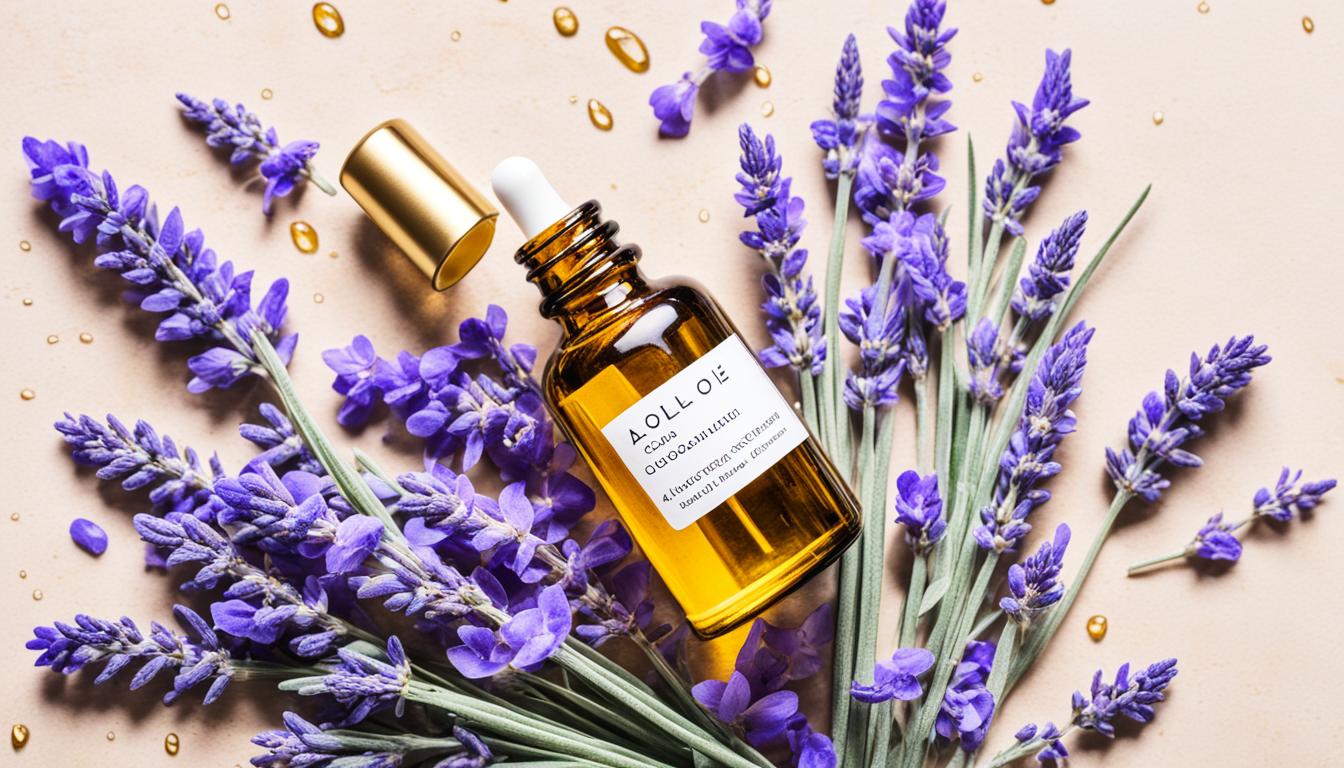
Making your own DIY face serum at home is a great way to improve your skincare routine. It helps you save money and lets you pick ingredients that fit your skin type and needs. This guide will show you how to make your own face serum at home. You’ll learn to enhance your skincare with natural ingredients.
By the end of this article, you’ll know how to make your own face serum. You’ll be able to mix and store it for your skin’s best care. Let’s start exploring how to make your own skincare products at home.
Introduction to Face Serums and Their Benefits
Face serums are now a key part of many skincare routines. They are different from traditional moisturizers because they are light and focus on specific skin issues. If you want to fight aging signs, reduce blemishes, or get a glowing skin, using a face serum can help a lot.
What is a Face Serum?
A face serum is a strong skincare product that brings active ingredients right to your skin. These serums can be water-based or oil-based. They go deep into your skin, giving you better results than thicker moisturizers. They have things like antioxidants, vitamins, and plant extracts to fix different skin problems.
Why Should You Use a Face Serum?
Using a face serum can greatly benefit your skin. It can make your skin more hydrated, lessen fine lines and wrinkles, and give you a brighter look. They are great for dealing with acne, dullness, or uneven skin tone. Plus, you only need a little bit of serum to get strong results.
When picking a face serum, think about your skin type and what you want to fix. There are many types of serums, like hydrating or anti-aging ones. Choosing the right one can help you improve your skin’s health and beauty.
Choosing the Right Ingredients for Your Skin Type
When making your own face serum, picking the right ingredients is key. You should match your serum to your skin type and concerns. Knowing what your skin needs helps you pick natural ingredients for issues like dryness, acne, fine lines, and uneven skin tone.
First, figure out your skin type. Is it dry, oily, combination, or sensitive? This helps you pick the best ingredients for your custom serum. For dry skin, consider oils like jojoba, argan, or rosehip seed oil. If you get breakouts, think about adding tea tree oil or witch hazel for their anti-inflammatory and antibacterial effects.
Look for natural, active ingredients that tackle your skin issues. Vitamin C brightens and evens skin tone, while retinol reduces fine lines and wrinkles. Hyaluronic acid keeps skin hydrated, and green tea and turmeric protect it from damage.
Trying out different natural ingredients for your face serum can be fun. Mix and match to find the best mix for your skin. Always start by knowing what your skin needs and picking ingredients that fit.
Essential Tools and Supplies Needed
Before starting to make your own face serum, gather the right tools and supplies. These items make the process smooth and successful. Let’s look at the must-have items you’ll need, from bottles and containers to measuring tools.
Bottles and Containers
First, get a clean, sterile container for your homemade face serum. You can choose from glass dropper bottles, amber glass jars, or small pump bottles. These are great for storing your DIY serum and keeping it fresh. Make sure the bottles or containers are clean, dry, and free of residue.
Measuring Tools
Accurate measurements are crucial for making your own face serum. You’ll need a digital scale, graduated pipettes, and measuring spoons. These tools help you mix the ingredients correctly, ensuring your serum has the right consistency and potency. Invest in quality measuring equipment for perfect results every time.
With the right DIY serum supplies, skincare tools, and a face serum making kit, you’re on your way to making your own serums. Take the time to gather these essentials. You’ll be closer to customizing your skincare with a serum that’s just for you.

Step-by-Step Guide to Making Your Own Face Serum
Making your own face serum at home is rewarding and saves money. We’ll show you how to make your own DIY serum. You’ll learn to set up a clean workspace, measure ingredients, and mix them. This way, you can make a face serum that fits your skin perfectly.
Preparing Your Workspace
First, set up a clean workspace. Clear a flat surface like a kitchen counter or table. Make sure it’s free from clutter. Then, gather all the tools and ingredients you need and keep them close.
Measuring and Mixing Ingredients
With your workspace ready, start making your face serum. Measure each ingredient carefully with precise tools. Then, mix them together slowly and gently until the serum is smooth and well combined.
Take your time and focus on the measurements. Even though the steps are simple, paying attention to detail is crucial. This ensures your homemade serum works well for your skin.
Beauty Hacks: Customizing Your Face Serum
Once you’ve learned how to make your own face serum, it’s time to have fun. You can add custom ingredients and essential oils to make it perfect for your skin. This way, your homemade face serum becomes a personalized skincare solution.
Adding Essential Oils
Essential oils are great for adding to your face serum. They help with different skin issues. Tea tree oil fights acne, while rosehip seed oil helps with aging signs.
Try adding a few drops of your favorite essential oils. This way, you can make a serum that meets your skin’s needs.
Addressing Specific Skin Concerns
You can also add other ingredients to your face serum for specific skin issues. If you have dark spots, vitamin C or niacinamide can help lighten them. For dry skin, hyaluronic acid or glycerin can moisturize.
Remember, knowing your skin type and needs is key. With some trial and creativity, you can make a face serum that works wonders for you.
Storing and Using Your Homemade Face Serum
Congratulations on making your own face serum! Now, let’s talk about how to store and use it right. This ensures it lasts longer and works well. Storing and using your homemade serum correctly is crucial for its quality and effectiveness.
For storing, use airtight glass or dark bottles. Light and air can harm the active ingredients. So, keep your serum in a cool, dark spot, like a bathroom cabinet or drawer. The best storage temperature is between 60-70°F (15-21°C).
When using your homemade face serum, be consistent. Add it to your daily skincare routine, after cleansing and before moisturizing. Start with a small amount, about a dime-sized dollop. Massage it into your skin with your fingertips. Pay extra attention to dry areas like the forehead, eyes, and jawline.
The shelf life of your homemade serum depends on the ingredients and storage. Generally, it lasts 3-6 months if stored right. Watch for changes in color, consistency, or smell. These could mean it’s time to make a new batch.

Follow these easy tips for storing and using your homemade face serum. This way, your custom skincare stays effective and keeps your skin nourished and refreshed. Enjoy the fruits of your labor and feel confident with a product made just for you.
Tips for Maintaining a Consistent Skincare Routine
Creating a consistent skincare routine is key to having healthy, glowing skin. It’s important to add steps like cleansing, exfoliating, moisturizing, and protecting from the sun. Doing these steps regularly helps your homemade serum work better and keeps your skin looking great.
Cleansing and Exfoliating
Begin and end your day with a clean face to remove dirt, oil, and makeup. Choose a gentle cleanser that fits your skin type. Exfoliating 1-2 times a week helps remove dead skin and opens up pores for better serum absorption. But, be careful not to exfoliate too much, as it can harm your skin’s natural barrier.
Moisturizing and Sun Protection
After cleaning, apply a moisturizer to keep your skin hydrated and lock in your serum’s benefits. Always use a broad-spectrum sunscreen during the day to protect against UV rays. Protecting your skin from the sun is key to keeping it healthy and looking good over time.
Adding these steps to your daily routine will help you get and keep a glowing complexion. With a regular skincare plan, your custom face serum can really show its power and give you the best results.
Troubleshooting Common Issues with Homemade Serums
Making your own face serum is a joy, but it can also come with challenges. Issues like serum separation and short shelf life are common. We’ll cover these problems and offer solutions to keep your homemade face serum effective and high quality.
Serum Separation: Keeping It All Together
Serum separation is a common issue. It happens when the oil and water parts of your serum mix don’t stay together. To avoid this, mix your ingredients well. Adding a natural emulsifier like polysorbate 20 or vegetable glycerin can also help keep everything mixed.
Extending Serum Shelf Life
Homemade serums don’t last as long as store-bought ones, usually 2 to 6 months. Keep your serum fresh by using clean tools and storing it in a cool, dark place. Adding a natural preservative like vitamin E or grapefruit seed extract can also help prevent spoilage.
Addressing Unexpected Skin Reactions
Most homemade serums are gentle, but some people might see redness, irritation, or breakouts. If this happens, stop using it and check the ingredients. You might need to change the amount of something or switch out an ingredient. Always test a small area of your skin before using a new serum.
By solving these common issues, your homemade face serum can be a key part of your skincare routine. With some troubleshooting and adjustments, you can enjoy a serum made just for you without any problems.
Cost Comparison: Homemade vs. Store-Bought Serums
Face serums are key in a good skincare routine. But, buying them can be expensive. Making your own face serum can help you save money.
The cost of homemade serum is just a few dollars per batch. In contrast, store-bought serums can cost between $20 to $100 or more. Making your own serum lets you save money without losing quality.
Homemade serums let you match the formula to your skin type and needs. This can be more effective than using a generic product. By making a custom serum, you can get the most out of your skincare routine while spending less.
Choosing between homemade and store-bought serums depends on what you prefer, your budget, and your skincare goals. Making your own serum can save you a lot of money. With the right ingredients and some time, you can make a great face serum that works well without costing a lot.
Frequently Asked Questions About Making Face Serums
Starting to make your own face serum can bring up questions. Let’s go over some common ones about making homemade face serums and DIY tips. This will help you feel sure about making your own serum.
Many people ask if they can swap out oils or extracts in their serums. The answer is usually yes, but you need to know how each ingredient works. Make sure to look up the new ingredients to make sure they fit with your skin’s needs.
People often wonder how long homemade serums last. The answer depends on the ingredients and how you store them. Generally, homemade serums can last 3-6 months in a cool, dark place. Watch for changes in color, consistency, or smell. These can mean it’s time to make more.
Some common issues with DIY serums include separation or gritty textures. Don’t worry, you can usually fix these problems. Look for advice online or talk to people who make their own skincare products.
The best thing about making your own face serum is making it fit your skin perfectly. Don’t hesitate to try new things and enjoy the process. With some practice and patience, you’ll soon have the perfect homemade face serum for your skin.
Resources for Further Learning and Inspiration
If you want to learn more about DIY skincare, you have many resources available. You can find everything from books to social media accounts that will help you make your own face serums and natural beauty products.
Begin by checking out blogs like “Green Beauty Team” and “The Nourished Life.” They have detailed tutorials, ingredient explanations, and a community of people who love DIY skincare. If you prefer books, try “The Complete Organic Cosmetics Handbook” by Josephine Fairley or “DIY Organic Beauty Recipes” by Heather Dessinger.
Instagram accounts like “@formulabotanica” and “@skincaresciencist” are great for finding face serum recipes and tips from skincare experts. They’re perfect for both beginners and those who already make their own skincare products.